

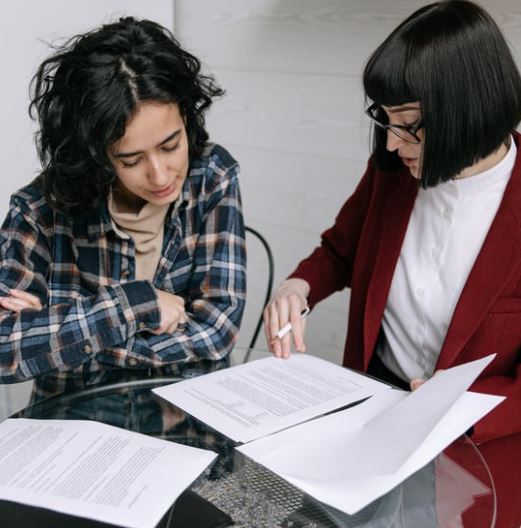
 Whether you’re deep in performance review season or approaching mid-year reviews, this tends to be a busy and demanding time for HR. The performance review process is a significant project to coordinate and one most HR teams care deeply about getting right. It places a real demand on managers’ time and it’s not generally something employees look forward to either.
In recent years, we’ve seen a strong focus on ongoing feedback and regular performance conversations as part of broader performance management approaches, which is great. But most organisations still need a formal moment to step back and provide a clear point in time to benchmark performance, ensure consistency across teams, and make pay and progression decisions.
For HR, that’s a significant piece of work. For managers, it can feel painful.

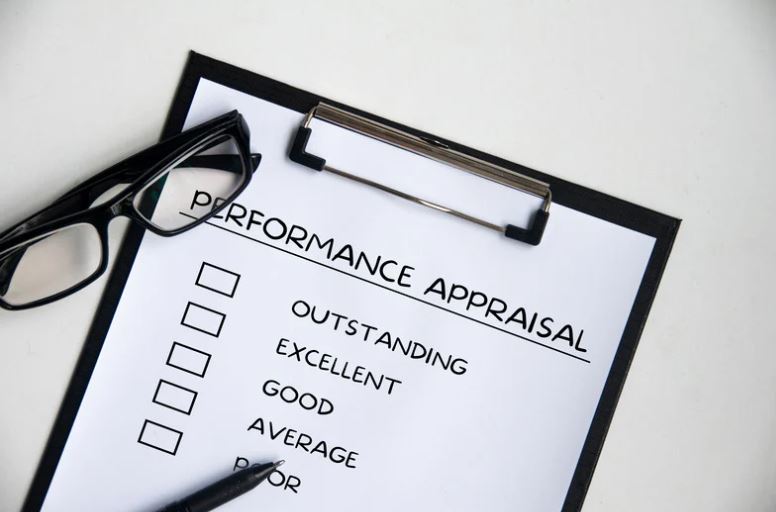 Performance review season is often dreaded. Not only is it time-consuming, but it’s also difficult because of what it requires from the person leading the conversation. It involves giving feedback, sometimes explaining ratings or pay decisions, and occasionally handling emotional reactions. At times, it’s also used to address issues that haven’t been tackled well earlier in the year.
The behavioural and relational side of this is hard.
Strong performance review conversations rely on managers being able to set expectations clearly throughout the year, give regular and constructive feedback, and coach people consistently. When that’s happening, the annual review becomes a natural continuation of ongoing conversations. This is, of course, the ideal.
But these ongoing conversations don’t always happen. And when they haven’t, the review can feel high stakes and uncomfortable.
We often say there should be no surprises in a performance review. Of course, that’s true. But that only really works when managers feel confident addressing issues early, holding consistent one-to-ones, and giving feedback as they go. If those habits and skills haven’t been developed, the annual review can become the first really honest conversation of the year. That won’t be the intention, but it is often the reality.

 Keep the process simple
Firstly, keep the process as simple as possible. Try to keep the forms and documentation to the essentials rather than making it overly burdensome. When the paperwork becomes too much, managers focus on completing the form rather than preparing properly for the conversation. Simplicity allows them to concentrate on the quality of the discussion itself.
Develop manager skills throughout the year
Secondly, develop the skills managers need throughout the year. That means training them in setting expectations, giving feedback, managing performance and coaching for growth. When managers have those skills and practise them regularly, the annual review becomes a reflection point rather than a confrontation.
You can also offer short refreshers on feedback skills, clear conversation frameworks and opportunities to practise difficult discussions nearer the time. Even a small amount of structured preparation can make a tangible difference.

 Then there is the question of where AI fits in. Many managers are already experimenting with AI tools to draft review comments, summarise performance data or help shape development goals. Used thoughtfully, AI can reduce the administrative pressure of this process. It can help managers organise their thoughts at the beginning, structure their notes and pull together information. At the end, it can sense-check written summaries and help ensure they are clear and coherent.
What it cannot do is replace individual judgement, empathy or the courage to have a difficult conversation.
Managers often have to write a summary of the discussion. AI can help them formulate and refine that summary. But it still needs the manager’s personal input. It must be specific to the individual receiving it. If it feels generic or obviously generated, it won’t land well. The manager has to own the messaging.
AI also cannot have the two-way conversation. It can help a manager prepare for that conversation. In fact, it can be useful for practising how a discussion might unfold or thinking through how to respond to challenging reactions (always within organisational AI policies, of course). But it cannot replace the in-person discussion itself. The manager still needs the skill and confidence to lead that conversation properly.

Performance review season often shines a light on how confident managers feel leading their people. It highlights whether expectations were clear, whether feedback was given consistently, and whether development conversations are part of everyday management rather than a once-a-year event.
When managers are properly supported and have developed the right skills, annual performance reviews become easier for everyone. They are calmer, more constructive and more meaningful. They feel less like a hurdle to get through and more like a genuine checkpoint in the year. And that’s better for managers, employees and HR alike.

 Louise Puddifoot is the founder of Willow & Puddifoot, where she and her team CRAFT™ confident, capable leaders at every stage. With over 20 years’ experience in leadership and learning, Louise designs practical development that builds confidence, capability, and impact. Her work is built on the CRAFT™ Leadership Framework, focusing on communication, resilience, authenticity, future focus, and transformation, to create real behaviour change that lasts.